By: admin

July 12, 2024
Lorem ipsum dolor sit amet consectetur adipisicing elit Iusto consequatur dolorum placeat sit amet consectetur adipisicing elit Iusto consequatur dolorum placeat.
Graduation: BBA
Masters: MBA
Posted: July 12, 2024
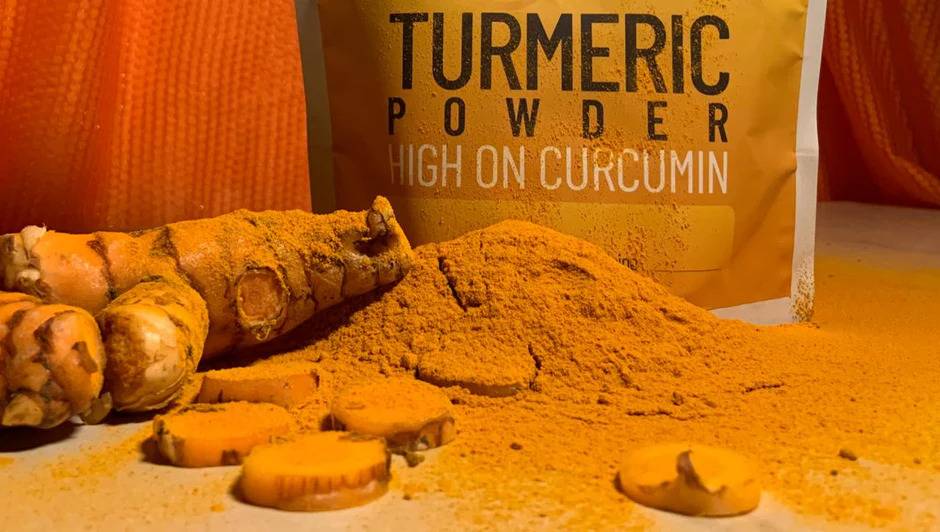
How can we determine the quality and purity of Turmeric Powder (Spices and Masalas)
Label Information and Certification:
Ingredients List: Check the ingredients list for any additives, preservatives, or artificial colors. High-quality brands typically use pure spices without unnecessary additives. Quality Certifications: Look for certifications such as ISO, FSSAI (Food Safety and Standards Authority of India), USDA Organic, or other relevant quality marks. Organic Certification: Organic certification often ensures better quality and fewer chances of adulteration.
Sourcing Information:
Brands that provide information about where and how their spices are sourced often have better control over quality.
Manufacturing Date over Expiry Date:
Prefer Recently Manufactured Spices, Spices tend to lose their flavor and aroma over time, even if they are not expired. Opt for products with the most recent manufacturing date for the freshest quality. Anyway, ensure that the spices you are buying have a clear expiry date. Generally, ground spices like turmeric have a shelf life of about more than 1 years from the manufacturing date.
Brand Reputation and Consumer Reviews:
Reputation: Choose brands with a strong reputation and history of providing quality products. Read reviews and ratings on e-commerce platforms or food forums. Customer feedback often provides insights into the actual quality and taste of the spices.
Buy in Small Quantities:
Instead of buying large quantities that may go stale, buy smaller amounts that you can use up more quickly. Be cautious when buying spices in bulk. Ensure that you can use the bulk quantity before it loses its freshness.
Packaging and Storage Recommendations:
Ensure that the packaging is intact and sealed properly. Broken seals or damaged packaging can indicate exposure to air and contaminants. Once purchased, store your spices in airtight containers in a cool, dark place to preserve their flavor and potency. Avoid storing spices near heat sources like stoves or in direct sunlight. Once you open a spice container, it starts to degrade faster due to exposure to air, light, and moisture. Try to use them within six months to a year for the best quality.
Taste and Cook:
Evaluate the color, aroma, and texture. Conduct a taste test by using the spice in your cooking to check for flavor and potency.
Practical Tips & Recommendations:
- Buy Whole Turmeric: Whenever possible, buy whole turmeric and grind it at home. This minimizes the risk of adulteration.
- Buy from Reputable Sources: Purchase turmeric powder from trusted brands or sources that provide quality certifications. And detecting impurities in turmeric powder at home involves several simple and effective tests.
- Store Properly: Store turmeric powder in an airtight container in a cool, dark place to prevent contamination and preserve its quality.
How to detect impurities in turmeric powder (spice) at home
Detecting impurities in turmeric powder at home involves several simple and effective tests. Here are some methods you can use:
- Water Test
Procedure: Take a glass of warm water. Add a teaspoon of turmeric powder. Do not stir; let it sit for about 20 minutes.
Observation:
Pure Turmeric: The powder will settle at the bottom of the glass, leaving the water clear.
Adulterated Turmeric: The water will become cloudy or change color, indicating the presence of impurities or artificial colors.
- Lemon juice Test
Procedure: Add a few drops of lemon juice (or muriatic acid) to a small amount of turmeric powder.
Observation:
Pure Turmeric: There will be little to no reaction.
Adulterated Turmeric: If it fizzes or bubbles, it may contain chalk or other impurities.
- Soap Test
Procedure: Mix a teaspoon of turmeric powder with a small amount of water to make a paste. Rub the paste on your hands or on a white surface with a little soap.
Observation:
Pure Turmeric: The color will remain yellow and will be difficult to wash off completely.
Adulterated Turmeric: The color may wash off easily, indicating the presence of artificial dyes.